

Glamour, Industry, and the Spirit of the Roaring Twenties
How fashion, music, and innovation in the Roaring Twenties shaped the Packard Proving Grounds and why that spirit is celebrated today through the Great Gatsby Gala fundraiser.
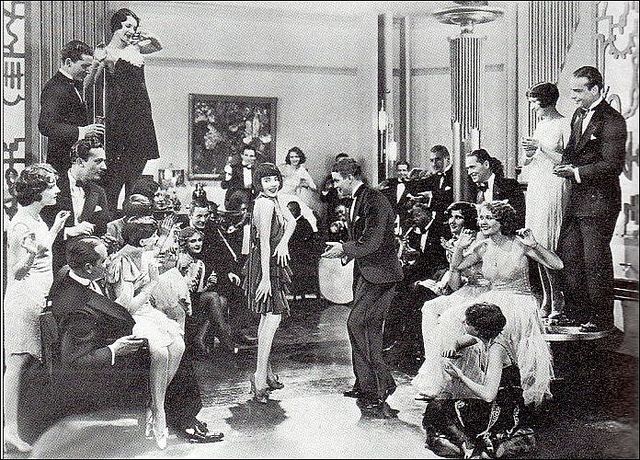
Elegant gatherings like this captured the spirit of the Roaring Twenties, an era of music, style, and celebration.
There was a time when the details we now call vintage were simply everyday life. Silk dresses moved easily through new, electricity-lit rooms. Jazz drifted from radios and open doors. Detroit was growing quickly and confidently, with industry shaping both its skyline and its identity. The late 1920s carried a particular kind of energy — refined yet ambitious, elegant yet forward-looking. It was during this moment of expansion and possibility that the Packard Proving Grounds opened its gates, shaped by the same spirit that defined the Roaring Twenties.
Each spring, that spirit is revisited during the Great Gatsby Gala — a fundraiser inspired by the decade that helped shape the grounds. But to understand why that celebration resonates, it helps to first understand the era itself.
Fashion, Freedom, and a Changing Culture
In the years following the First World War, fashion began to mirror
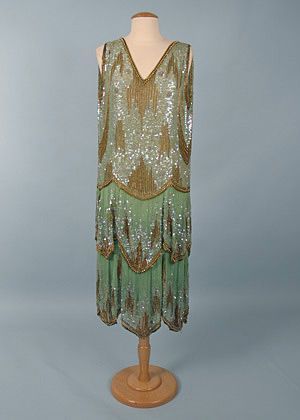
Beaded evening dresses reflected the movement and modernity of 1920s fashion.
broader cultural change. Silhouettes softened. Hemlines rose just enough to suggest movement rather than constraint. Silk, chiffon, satin, and delicate beading caught the light, while geometric lines reflected the growing influence of Art Deco design. Evening wear embraced rich yet balanced tones — emerald, midnight blue, burnished gold, ivory — signaling both refinement and modernity.
Clothing was becoming less restrictive and more expressive. Women favored garments designed for motion as jazz rhythms filled dance halls. At the same time, menswear reflected its own evolution. Tailored tuxedos and dinner jackets emphasized clean lines and precision, but lighter linen suits and cream-colored summer fabrics also gained popularity. Crisp white shirts, silk bow ties, polished shoes, and carefully foled pocket squares signaled confidence without excess. Elegance remained — but it was newly defined.
Music, Media, and Momentum
If fashion reflected outward change, music carried the decade’s pulse. Jazz moved steadily into the mainstream, shaping evenings and influencing everything from dance to design. In cities like Detroit, clubs and ballrooms became spaces where rhythm felt synonymous with progress.
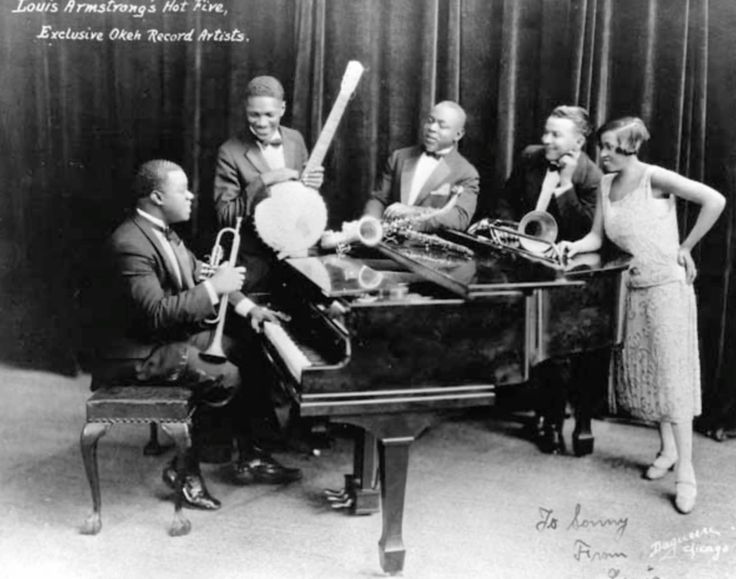
Jazz musicians like Louis Armstrong helped define the sound of the Roaring Twenties.
Radio shortened distances. Voices and orchestras traveled across state lines, creating a shared cultural experience that felt distinctly modern. The world seemed closer, faster, more connected.
Motion defined the era. Factories expanded. Dance floors filled. Automobiles became symbols of freedom and aspiration. Industry, art, and entertainment moved forward together, each reinforcing the other.
Industry as Aspiration: Packard and American Prestige
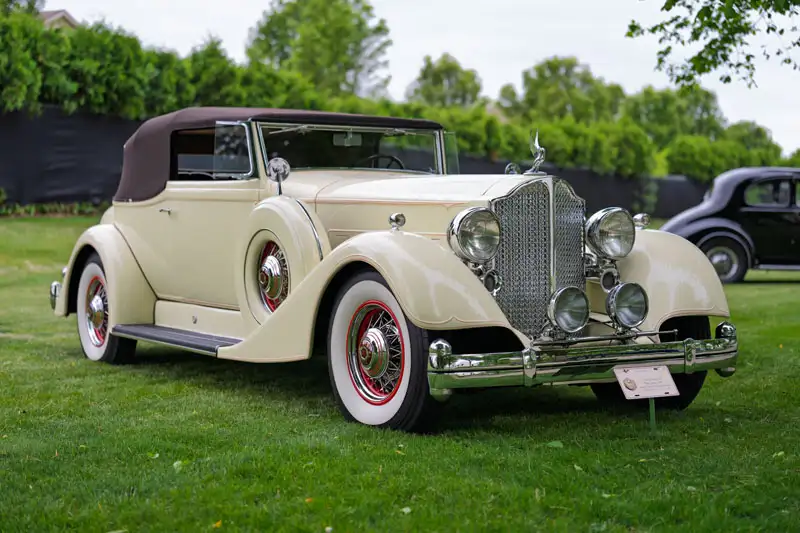
Packard automobiles became symbols of American luxury, craftsmanship, and engineering.
In this climate of confidence, the automobile became more than transportation — it became a statement. Ownership signaled participation in a modern, forward-moving world.
Packard embodied that spirit. Known for precision engineering and
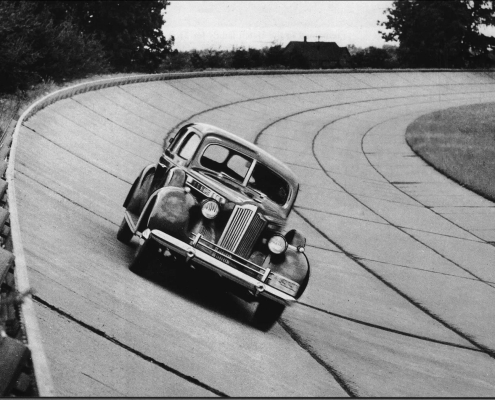
Packard automobiles being tested on the Packard Proving Grounds track during Detroit’s automotive rise.
understated luxury, the brand represented disciplined craftsmanship rather than spectacle. Detail mattered. Performance mattered. Excellence spoke quietly but confidently.
When the Packard Proving Grounds opened in 1928, they were not conceived as nostalgic — they were modern. Designed by renowned architect Albert Kahn — often called the father of Detroit’s industrial architecture — the buildings reflected clarity, proportion, and purpose. Kahn’s influence shaped not only the city’s skyline, but the very language of American industry. The Proving Grounds stood as part of that legacy: facilities built to test and refine machines for a new age.
Architecture and Optimism
The structures at the Proving Grounds remain examples of Kahn’s
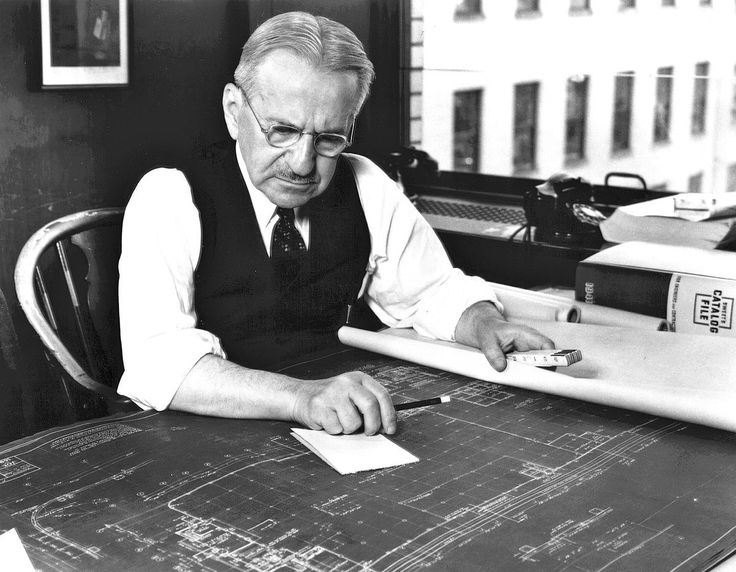
Architect Albert Kahn, whose industrial designs helped shape Detroit and the Packard Proving Grounds.
disciplined vision. Brick facades, generous windows, and thoughtful geometry conveyed function without sacrificing dignity. Industry could be both purposeful and refined.
Across the country, architecture echoed similar optimism. Art Deco lines suggested progress without abandoning elegance. Spaces were built for innovation — but also for permanence.
What was once cutting-edge is now historic. And in that evolution lies a quiet truth: progress and preservation are not opposites, but partners.
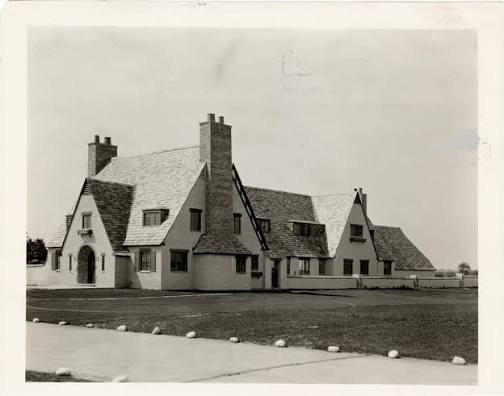
The Packard Proving Grounds shortly after opening.
The Spirit That Remains
Nearly a century later, the Proving Grounds still carry the confidence of its beginnings. The structures remain steady, reminders of a time defined by ambition and belief in what could be built.
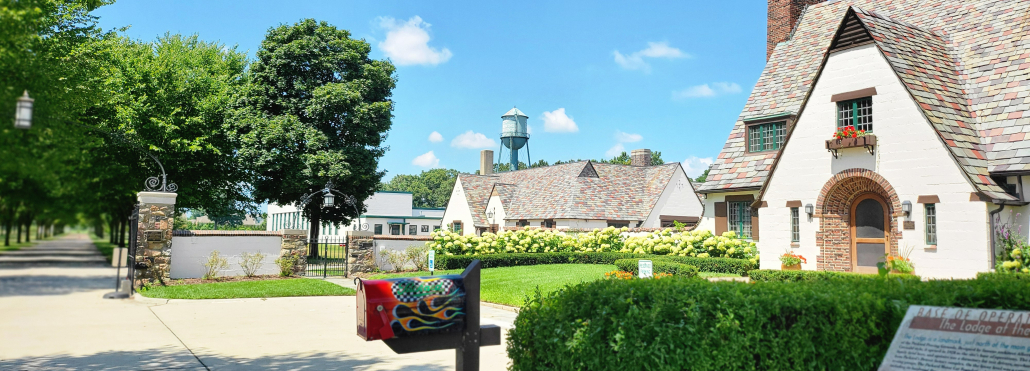
Today, the Packard Proving Grounds remain a preserved Historic Site.
Preserving the site is not simply about maintaining buildings. It is about safeguarding a story — one of innovation, discipline, and forward motion. The same spirit that shaped the late 1920s is woven into the foundation here.
To care for the Proving Grounds today is to honor that vision — and to ensure it continues.
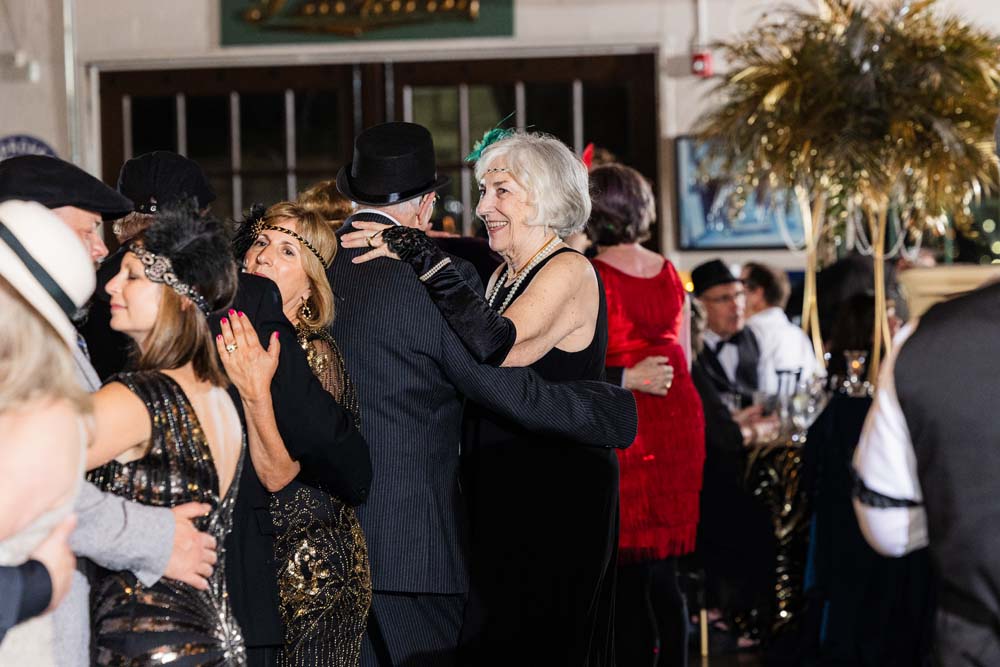
Guests celebrate the Roaring Twenties at the annual Great Gatsby Gala fundraiser.
A Return Each Spring
As introduced at the beginning, each spring the spirit of the Roaring Twenties returns through the Great Gatsby Gala — an annual fundraiser dedicated to supporting the preservation and restoration of the Packard Proving Grounds.
The evening is not intended as imitation, but as tribute. Guests arrive in silhouettes and tailoring inspired by an era when glamour was modern and confidence felt tangible. Beneath ceilings designed by Albert Kahn and built for innovation, conversation and celebration unfold in the very setting where that ambition once lived.
The Great Gatsby Gala honors the decade that shaped the Proving Grounds while directly supporting the work required to protect it. In celebrating the glamour of the Roaring Twenties, we also invest in the future of this national historic site — ensuring that its architecture, its stories, and its spirit endure for generations to come.
Learn more about the 2026 Great Gatsby Gala, held on April 25th, and how you can support the preservation of the Packard Proving Grounds at packardprovinggrounds.org/greatgatsby.
